If you need a roof cargo solution for a compatible Subaru, this Roof roof rack cross bars setup is aimed at the exact problem: adding secure carrying capacity without moving up to a full cargo box.
This [product_name] review focuses on what the listing actually supports and where the fit matters most.
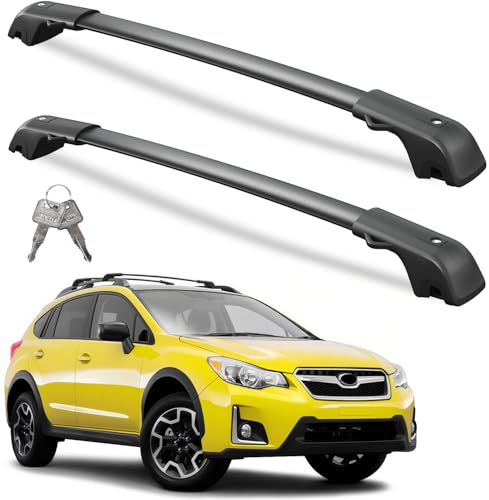
Roof Cross Bars Review Summary
These cross bars make the most sense for Subaru XV Crosstrek and Impreza owners with raised side rails who want a straightforward way to carry cargo, bikes, kayaks, canoe gear, or other rooftop items.
The listing frames them as a heavy-duty aluminum option with a lockable metal mechanism, tie-down loops, and an aerodynamic profile, so the appeal is not just added space but a more practical everyday roof setup.
The strongest reason to consider them is specificity.
This is not a universal bar set pretending to fit everything; it is built around a narrow vehicle compatibility window, which is exactly what many buyers need if they are trying to avoid noise, wobble, and awkward aftermarket compromises.
The tradeoff is equally clear: if your vehicle is outside the supported Subaru years or does not have raised side rails, this is not the right pick.
Review Scorecard
| Category | Score | Buyer assessment |
|---|---|---|
| Vehicle fit clarity | 9/10 | The listing is unusually specific about supported Subaru years and side-rail requirement. |
| Cargo utility | 8/10 | 300 lb weight support and tie-down loops make it useful for practical roof hauling. |
| Security | 8/10 | The metal lock and key add a useful layer of theft deterrence for mounted gear. |
| Build confidence | 7/10 | Aluminum bars and upgraded clamps suggest durability, though this is still listing-based. |
| Noise and efficiency | 7/10 | The aerodynamic profile should help, but real-world wind noise will still depend on installation and load. |
| Installation ease | 7/10 | Clear labeling and directional guidance should help, but exact ease depends on the buyer’s vehicle and comfort level. |
| Overall value fit | 8/10 | Strong if you need a tailored Subaru roof solution; weak if you want universal compatibility. |
Key Features and Specifications of Roof Cross Bars
The core specification is compatibility.
The listing says these bars fit Subaru XV Crosstrek models from 2013 through 2017 and Impreza models from 2012 through 2016, provided the vehicle has raised side rails.
That detail matters more than any marketing language, because roof rack purchases fail most often on fit, not on strength.
The bars are described as heavy-duty aluminum with a black matte powder-coated finish, paired with upgraded clamps and 2 mm thickness construction.
The manufacturer also claims corrosion resistance and a longer service life.
Those are credible goals for a roof rack product, and the coating and material choice at least point in the right direction.
Another notable claim is the 300 lb capacity.
That is a useful number for buyers planning family trips, cargo boxes, camping gear, or bulkier rooftop loads.
It does not mean every load combination is acceptable, but it does suggest the bars are intended for meaningful utility rather than light decorative use.
The listing also highlights:
- Metal mechanism lock and key for added security
- Tie-down loops on the base feet
- Aerodynamic profile intended to reduce drag and wind noise
- Clear labels and directional installation guidance
- 12-month warranty support
For buyers comparing roof rack systems, these are the right kinds of features to look for.
They do not replace a full owner’s manual check or vehicle load limit review, but they do indicate the product is designed with practical rooftop use in mind.
Pros and Cons of Roof Cross Bars
Pros
- Good vehicle specificity for a defined range of Subaru XV Crosstrek and Impreza models
- Lockable hardware adds a security benefit that many basic cross bars skip
- Useful 300 lb support for real cargo use, not just light accessories
- Tie-down loops improve versatility for irregular loads
- Aerodynamic shape should be friendlier than boxy, generic bars
- Black matte finish is a clean visual match for many Subaru setups
Cons
- Not universal; buyers outside the supported year range should skip it
- Raised side rails required, which excludes some vehicles
- Real-world noise is still possible despite aerodynamic shaping
- Listing claims are not the same as hands-on verification, so installation feel and long-term durability remain untested here
- Fit depends on precise model and trim details, which means buyers need to check before ordering
The main pattern here is obvious: the pros are strongest for the right Subaru owner, while the cons mostly come from the narrow fit window.
That is a good trade if you own the right vehicle and a bad one if you do not.
Who Should Buy Roof Cross Bars?
These bars are a strong fit for Subaru owners who regularly carry rooftop cargo and want a dedicated, vehicle-specific setup instead of a universal system.
They are especially sensible for drivers planning camping trips, weekend travel, sporting gear transport, or family vacations where extra storage space matters.
They are also a good choice for buyers who care about basic security.
A lockable metal mechanism is not the same as a full anti-theft system, but it is better than exposed hardware on a rack that may stay mounted for long periods.
You should likely skip this product if:
- Your Subaru is outside the listed year range
- Your vehicle does not have raised side rails
- You want a rack that can move across multiple vehicles
- You need a premium, heavily branded ecosystem with integrated accessories
If you are shopping for a fit-first solution and want a practical answer to rooftop hauling, this [product_name] review points to a straightforward conclusion: it is for buyers who value compatibility and function over flexibility.
How Roof Cross Bars Perform for Rooftop Cargo Use
Fit and Mounting Logic
The clearest strength is the fit framework.
Because the listing narrows compatibility to specific Subaru years and raised side rails, the installation process should be more predictable than with a loose universal rack.
That does not guarantee a quick setup, but it does reduce uncertainty for the right vehicle.
Security and Everyday Use
The lock-and-key hardware is a practical touch for anyone leaving gear on the car between trips.
Roof racks are often treated as purely structural products, but in daily use they also need to discourage casual tampering.
That makes the security detail relevant, not decorative.
Cargo Handling and Stability
Tie-down loops and a 300 lb claim suggest the bars are meant to handle more than lightweight accessories.
For kayaks, bikes, cargo bags, or box-mounted travel loads, those extras matter because the rack has to support both the attachment method and the item itself.
The stable use case is more important here than any one headline feature.
Noise, Shape, and Road Behavior
The aerodynamic profile is worth noting because roof racks can become annoying long before they become unsafe.
A lower-drag shape can help reduce whistling and mileage loss, but no rack should be assumed silent.
Buyers should expect the final sound profile to depend on how the bars are installed and what they carry.
Alternatives to Roof Cross Bars
If you want a similar roof-carry setup but need a different fit or broader accessory ecosystem, there are credible Amazon-friendly alternatives worth comparing:
- Thule roof rack crossbars
- Yakima roof rack crossbars
- Rhino-Rack roof bars
- BougeRV roof rack cross bars
- Omac roof rack cross bars
Thule and Yakima are the names most buyers compare first when they want established roof-rack ecosystems and broader accessory support.
Rhino-Rack is another strong reference point for buyers prioritizing load-carrying hardware.
BougeRV and Omac are useful comparison brands for shoppers trying to balance vehicle-specific fit and affordability.
The right alternative depends on your priorities.
If you want the safest bet for a supported Subaru fit, a product like this can be more direct.
If you need a rack system that spans more vehicles or accessories, those broader brands may be a better long-term platform.
Is Roof Cross Bars Worth It?
If you own a compatible Subaru XV Crosstrek or Impreza with raised side rails and you want a lockable, aluminum roof rack that is clearly aimed at cargo use, this is worth serious consideration.
The value is strongest for buyers who need a fit-specific answer and are comfortable checking compatibility carefully before purchase.
The product is less appealing if you want universal compatibility, premium-brand accessory depth, or a rack that can be casually transferred between cars.
But for the right Subaru owner, the combination of vehicle specificity, security features, and practical load support makes this a sensible buy.
If your vehicle matches the stated fit and you want a straightforward roof-carry upgrade, this is the kind of product that can solve the problem cleanly.
If not, keep looking.