If you’re new to car maintenance, a good OBD2 scanner can take the guesswork out of a check engine light. The right tool helps you read fault codes, clear them after repairs, and understand whether a problem is urgent or minor.
We focused on beginner-friendly car diagnostic scanners for beginners that are easy to plug in, simple to navigate, and useful for everyday drivers who want straightforward answers without mechanic-level complexity.
Best 10 Car Diagnostic Scanners for Beginners Picks for 2026
Simple Plug-and-Play Reader
ANCEL AD310 Classic OBD2 Scanner

- Reads and clears emission-related codes fast
- Large screen and labeled buttons
- No battery or charger needed
Best For: Beginners who want a simple, portable check-engine code reader
App-Based Starter Scanner
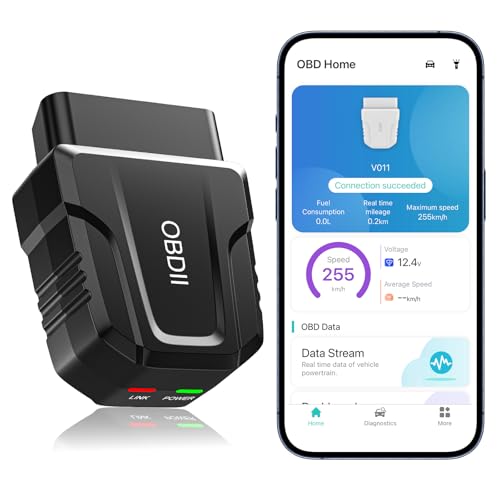
- Works with iOS and Android over Bluetooth
- App shows charts, guides, and video tutorials
- Reads, clears, and streams live data
Best For: Beginners who want phone-based diagnostics with visual guidance
Easy Dedicated Code Reader
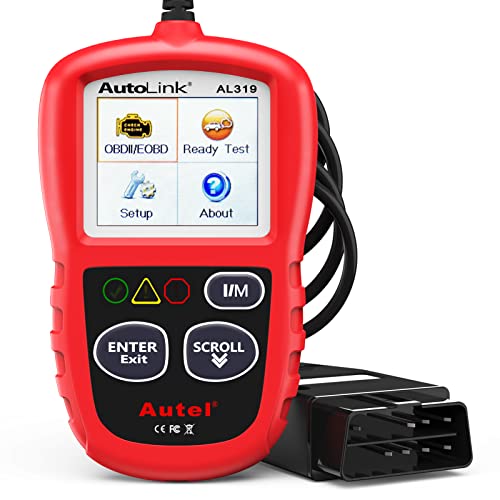
- Plug-and-play setup for beginners
- Color screen with one-click I/M readiness
- Reads live data and freeze frame
Best For: DIYers who want a simple standalone scanner with extra guidance
Feature-Rich Beginner Option
Safescan Enhanced Universal OBD2 Scanner

- Reads/clears codes with DTC lookups
- Adds emissions checks and battery monitoring
- Color screen, shortcut keys, no charging needed
Best For: Beginners who want more advanced features for inspections and basic diagnostics
Easy Setup Pick
Plug-and-Play OBD2 Scanner for Basic Checks
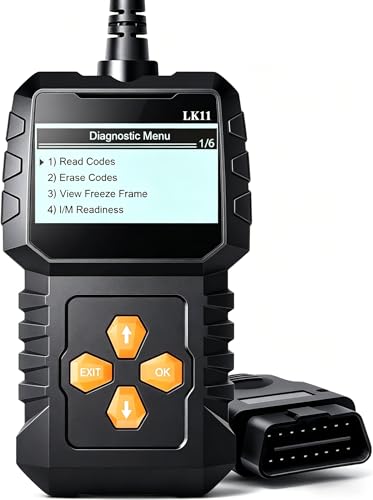
- Simple plug-in design for beginners
- Reads/clears codes and shows live data
- Includes VIN, I/M readiness, and freeze frame
Best For: New DIYers and drivers who want an easy starter code reader
Budget-Friendly Starter
Compact OBD2 Code Reader with Clear LCD

- Vehicle-powered scanner with no battery needed
- Reads, clears, and displays live engine data
- Supports common OBDII protocols and languages
Best For: Beginners who want a compact, low-fuss code reader
Feature-Rich Choice
FOXWELL NT301 Live Data Scanner

- Beginner-friendly plug-and-play operation
- Live graphs, EVAP, and O2 sensor tests
- I/M readiness lights help with inspection prep
Best For: Beginners who want an easy scanner with more advanced diagnostic tools
Quick DIY Checker
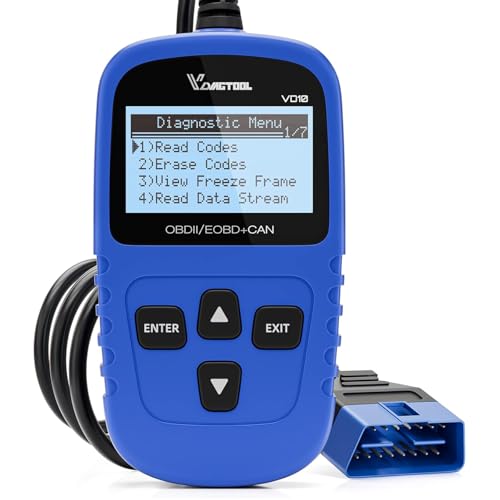
- Reads and clears engine codes
- Shows live data and freeze frame
- No app or charger needed
Best For: New DIYers needing a simple plug-and-play check engine light reader
Simple Code Reader

- Reads and clears basic OBDII codes
- Shows code definitions on screen
- No registration or app needed
Best For: Beginner drivers wanting a simple basic scanner for check engine light troubleshooting
Beginner-Friendly Diagnostic Tool

- 42,000+ built-in DTC lookups
- Includes live data and emissions tests
- Color screen with no app required
Best For: Beginners who want a simple scanner with more built-in guidance and OBD2 features
Simple Plug-and-Play Reader – ANCEL AD310 Classic OBD2 Scanner
If you want car diagnostic scanners for beginners, the ANCEL AD310 is a straightforward choice for checking why the check engine light is on. It focuses on core OBD2 functions like reading and clearing emission-related codes, live data, freeze frame, and I/M readiness, so you can get useful answers without a steep learning curve.
Best For: Drivers who want a compact, no-frills code reader for basic check-engine troubleshooting.
Pros:
- Reads and clears emission-related trouble codes quickly.
- Large screen and clearly labeled buttons make it easy to use.
- No batteries or charger needed; powered directly by the vehicle.
- Compact, lightweight design is easy to store and carry.
Cons:
- Only supports emission-related diagnostics, not broader engine faults outside OBD2.
- Requires an OBDII vehicle; it will not work on OBDI systems.
For beginners who mainly need a reliable way to confirm and clear basic engine codes, the AD310 covers the essentials without extra complexity. Its strength is speed, simplicity, and portability rather than advanced diagnostics.
App-Based Starter Scanner – Bluetooth 5.4 OBD2 Scanner
For beginners who prefer their phone as the display, this car diagnostic scanner for beginners pairs with iOS and Android through Bluetooth 5.4. It adds live data, fault-code reading and clearing, freeze frame, VIN retrieval, and visual charts, which makes it easier to understand what the numbers mean.
Best For: New users who want app-guided diagnostics and clear data visualization on a smartphone.
Pros:
- Bluetooth 5.4 connection removes the need for a wired screen unit.
- App provides charts, guides, and video tutorials for easier learning.
- Supports reading, clearing, live data streaming, and diagnostic reports.
- Broad compatibility across many 1996+ vehicles and multiple languages.
Cons:
- Requires a compatible phone and app setup.
- Fault codes can only be cleared after the car has been repaired.
This model is a good fit if you want a beginner-friendly scanner that explains data visually instead of relying on a built-in screen. It is especially useful for owners who like app-based convenience and quick access to report-style diagnostics.
Easy Dedicated Code Reader – Autel AL319 OBD2 Scanner
The Autel AL319 is a practical pick if you want car diagnostic scanners for beginners without relying on a phone app. Its plug-and-play design, live data display, freeze frame support, and one-click I/M readiness make it simple to check a check engine light and understand the basics fast.
Best For: DIYers who want a compact, dedicated scanner with simple controls and a color screen.
Pros:
- Plug-and-play interface is easy for first-time users.
- Displays live data, freeze frame, and I/M readiness.
- One-click I/M readiness and built-in speaker/LED indicators add convenience.
- Lifetime free updates and 12-month warranty included.
Cons:
- More limited than advanced diagnostic tools.
- Uses a small 2.4-inch screen compared with larger units.
The AL319 is a solid middle ground between ultra-basic readers and more advanced scan tools. It keeps things approachable while still offering enough information to help beginners diagnose a check engine light with confidence.
Feature-Rich Beginner Option – Safescan Enhanced Universal OBD2 Scanner
Among car diagnostic scanners for beginners, the Safescan model stands out for packing in more advanced-looking functions while keeping plug-and-play operation. It reads and clears codes, shows live data and freeze frame, checks I/M readiness, and adds vehicle health indicators that can help new users make sense of what they are seeing.
Best For: Beginners who want a more feature-rich scanner for inspections, emissions checks, and deeper basic diagnostics.
Pros:
- Reads and clears engine codes with built-in DTC lookups.
- Shows live data, freeze frame, VIN/CIN/CVN, and I/M readiness.
- Supports emissions-focused testing and real-time battery voltage monitoring.
- Compact design with color screen, shortcut keys, and no charging needed.
Cons:
- More feature-heavy than a basic code reader, so it may be more than some beginners need.
- Compatibility is broad, but its strongest emphasis is on specific supported groups and OBDII vehicles.
This is the most capable option in the group for buyers who want room to grow beyond a basic reader. If you want a beginner-friendly tool that also handles pre-inspection and emissions-related checks, it offers a lot of practical value.
Easy Setup Pick – Plug-and-Play OBD2 Scanner for Basic Checks
If you want car diagnostic scanners for beginners, this plug-and-play OBD2 reader keeps things simple. Just connect it to the OBDII port to read and clear engine fault codes, check live data, and review freeze frame information without needing technical experience.
Best For: New DIYers, casual drivers, and anyone who wants a straightforward check-engine-light tool with extra vehicle data.
Pros:
- Plug-and-play design with no technical knowledge required
- Reads and clears engine fault codes, plus live data and freeze frame info
- Shows extra vehicle details like VIN, calibration ID, and CVN
- Supports I/M readiness and common maintenance checks
Cons:
- Focused on engine/OBDII diagnostics rather than broader systems like ABS or airbag codes
- Operating system compatibility is listed as not compatible
This is a practical starter scanner for drivers who want quick answers and basic diagnostic confidence. It’s built for simple use while still offering enough data for preventative maintenance.
Budget-Friendly Starter – Compact OBD2 Code Reader with Clear LCD
For car diagnostic scanners for beginners, this compact MOTOPOWER reader covers the essentials without adding complexity. It plugs into the OBDII port, pulls power from the vehicle, and gives you code reading, clearing, live data, and other common engine checks on a simple LCD screen.
Best For: Beginners who want a small, affordable scanner for check-engine-light troubleshooting and everyday OBDII basics.
Pros:
- Reads and clears codes, plus freeze frame, I/M readiness, and live data
- No battery or charger needed since it powers from the vehicle
- Compact design with a 2.8-inch LCD and simple button layout
- Supports multiple languages and common OBDII protocols
Cons:
- Does not support ABS, airbag, or other non-OBDII systems
- Live data and button-based navigation may feel basic compared with larger scanners
This is a solid entry-level choice if you mainly want to identify check-engine issues and verify readiness status. It keeps the learning curve low while still covering the core functions most beginners need.
Feature-Rich Choice – FOXWELL NT301 Live Data Scanner
If you’re comparing car diagnostic scanners for beginners but want room to grow, the FOXWELL NT301 adds more guidance than a basic code reader. It reads and clears check-engine codes, shows live sensor data in graphs, and includes helpful I/M readiness indicators for pre-test checks.
Best For: Beginners who want an easy first scanner now, plus more advanced features for learning and future troubleshooting.
Pros:
- One-click code reading and clearing with simple plug-and-play use
- I/M readiness hotkeys and LED indicators help with inspection prep
- Live data graphing makes sensor trends easier to spot
- Includes EVAP and O2 sensor testing for deeper OBDII diagnostics
Cons:
- Still limited to OBDII functions and does not cover systems like ABS or airbags
- More features may be more than a casual user needs for occasional use
This model stands out if you want a beginner-friendly scanner that doesn’t feel too basic. It offers a stronger mix of clarity and capability, which can help you learn more about your vehicle over time.
Quick DIY Checker – VDIAGTOOL VD10 OBD2 Scanner
If you want one of the more straightforward car diagnostic scanners for beginners, the VDIAGTOOL VD10 keeps things simple: plug it into the OBDII port, read the code, check live data, and clear the check engine light after repairs. It focuses on the core functions most new DIYers actually need, with on-screen DTC definitions and no app or charger required.
Best For: New DIYers who want a basic plug-and-play code reader for check engine light troubleshooting.
Pros:
- Reads and clears engine fault codes with built-in DTC definitions
- Shows live data, freeze frame, I/M readiness, and vehicle info
- Plug-and-play design with a simple 2-line LCD display
- Supports many OBDII cars, SUVs, and light trucks
Cons:
- Focused on basic engine diagnostics, not advanced service functions
- Best suited to OBDII vehicles only
The VD10 is a practical pick if you mainly want a low-friction way to understand a warning light and verify readiness after a repair. It covers the essential basics without adding extra complexity.
Simple Code Reader – Autel MS309 OBD2 Scanner
The Autel MS309 is a basic, beginner-friendly choice among car diagnostic scanners for beginners because it sticks to the essentials: read codes, clear codes, view freeze frame data, and check readiness status. It uses an on-screen code database, so you can get a plain-English starting point without immediately searching online.
Best For: Drivers who want a no-frills engine code reader for everyday check engine light issues.
Pros:
- Reads and clears generic, manufacturer-specific, and pending codes
- Displays DTC definitions on screen with a built-in database
- Includes freeze frame, vehicle info, and I/M readiness
- Plug-and-play operation with no registration required
Cons:
- Only supports basic OBDII functions
- Does not support TPMS or service functions
- Not compatible with some FCA/SGW-equipped vehicles after 2017
For beginners who mainly need a straightforward scan tool for check engine lights and emissions checks, the MS309 is easy to understand and use. Just keep its basic feature set and compatibility limits in mind before buying.
Beginner-Friendly Diagnostic Tool – ANCEL AD410 Scanner
The ANCEL AD410 is a strong fit if you’re comparing car diagnostic scanners for beginners and want more guidance than a bare-bones code reader. It adds a color screen, 42,000+ DTC lookups, and a fuller set of OBD2 functions, while still staying simple enough to plug in and use without an app.
Best For: Beginners who want an easy-to-use scanner with more OBD2 features and built-in code help.
Pros:
- Reads and clears engine-related codes with 42,000+ DTC lookups
- Includes live data, freeze frame, I/M readiness, O2 sensor, and EVAP tests
- Color display and intuitive menu make it approachable for new users
- No app, Bluetooth, battery, or charger required
Cons:
- Engine and emissions codes only, not ABS, SRS, or transmission
- No bidirectional control or service reset functions
If you want a beginner scanner that explains more and does a bit more without becoming complicated, the AD410 is a very balanced option. It’s especially useful for drivers who want to check readiness and better understand what the car is reporting before heading to a shop.
How We Picked the Best Car Diagnostic Scanners for Beginners
For this roundup, we prioritized ease of use, broad vehicle compatibility, clear code-reading and clearing functions, and features that matter most to first-time buyers. That means simple menus, readable screens or app interfaces, and practical basics like freeze frame data and I/M readiness when available.
Quick Comparison
Most beginner buyers will fit into one of three groups: basic handheld code readers for quick check-engine light scans, app-based Bluetooth scanners for smartphone convenience, and upgraded handheld tools with live data for drivers who want a little more insight. If you only need to identify and clear engine codes, a simpler model is usually enough. If you want more context, look for live data and better diagnostic detail.
Key Buying Factors for Car Diagnostic Scanners for Beginners
Ease of Setup
Look for plug-and-play operation and menus that are easy to understand. Beginners should not need special software, subscriptions, or complicated pairing steps just to read a code.
Vehicle Compatibility
Most OBD2 scanners work with gasoline vehicles sold in the U.S. since 1996, but it is still worth confirming support for your exact make and model. Also check whether the scanner handles CAN protocol and whether it supports your region’s emission system requirements.
Core Functions
At minimum, a beginner scanner should read and clear engine fault codes. Helpful extras include live data, freeze frame, I/M readiness, and emissions monitor status. These features make it easier to confirm whether a repair worked and whether the car is ready for inspection.
Display or App Experience
Handheld scanners are often simpler for first-time users because they show results directly on-screen. Bluetooth models can be convenient if you prefer using a phone, but they depend on a good app and a reliable wireless connection.
Data Depth
More data is not always better for beginners. If your goal is basic troubleshooting, a straightforward scanner is less overwhelming. If you want to learn more about how your engine is running, choose a model with live data and clearer diagnostics.
Who Should Buy Which Car Diagnostic Scanners for Beginners?
If you want the easiest possible experience, choose a basic handheld reader with clear code-and-clear functions. If you like using your phone and want a more modern interface, a Bluetooth scanner is a strong fit. If you expect to do more than occasional check-engine light checks, a mid-tier handheld option with live data is usually the best long-term value.
For most first-time shoppers, the best Car Diagnostic Scanners for Beginners are the ones that solve a problem quickly without adding confusion. Start with the features you will actually use, and skip the extras unless you know you need them.