Finding a capable reciprocating saw on a modest budget is easier when you focus on the work you actually do. The best reciprocating saws under $100 can handle tasks such as cutting lumber, PVC, metal, branches, and demolition materials without the cost of professional-grade equipment.
This roundup includes corded models, cordless kits, bare tools, a compact mini saw, and a manual option. Compare power, runtime, stroke performance, included accessories, and tool compatibility before choosing the right fit.
Best 10 Reciprocating Saws Under 100 Picks for 2026
Best Cordless Value
BLACK+DECKER 20V MAX Reciprocating Saw

- Cordless 20V kit with battery and charger
- Tool-free blade change and pivoting shoe
- Variable-speed trigger for controlled cuts
Best For: DIY wood cutting and home maintenance
Best Heavy-Duty Corded Pick
SKIL 7.5-Amp Variable-Speed Saw
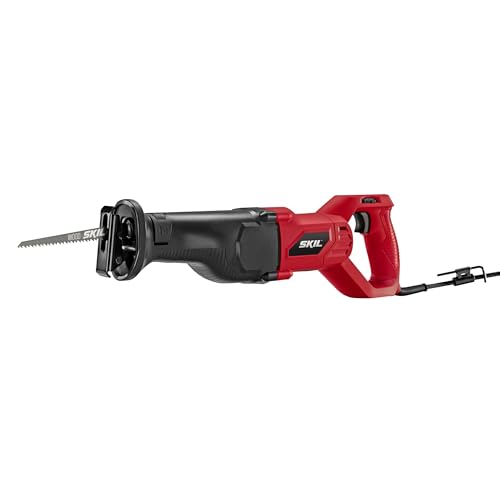
- Powerful 7.5-amp corded motor
- Metal gear housing for rugged use
- Counterbalance and pivoting foot aid control
Best For: Longer DIY cutting sessions near an outlet
Best Complete Cordless Kit
SEESII Brushless Reciprocating Saw

- Two 4.0Ah batteries and fast charger included
- Six blades cover wood, plastic, and metal
- Brushless motor with LED work light
Best For: Multi-material DIY projects requiring extended cordless use
Best for Easy Setup
RYOBI ONE+ 18V Reciprocating Saw

- 3,400 SPM variable speed
- 1-inch stroke length
- Lightweight 3.8-pound bare tool
Best For: RYOBI ONE+ users needing a battery-powered bare tool
Best Complete Cordless Set

- 0–3,500 SPM stepless control
- Two 2.0Ah batteries included
- Four blades and tool box included
Best For: DIYers wanting a ready-to-use cordless cutting kit
Best Compact Cordless
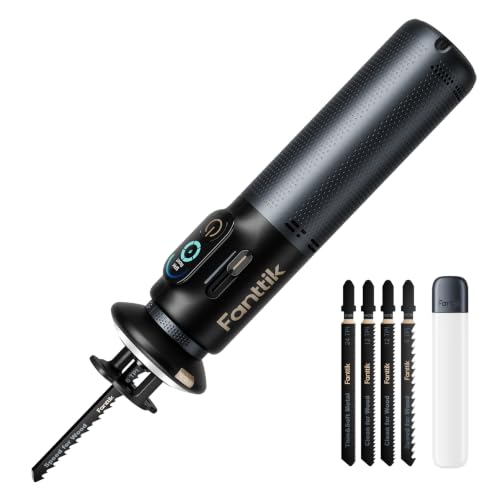
- 160W brushless motor with 0–2,200 SPM control
- Built-in battery charges through USB-C
- Compact body includes five cutting blades
Best For: Portable light-duty wood and PVC cutting
Best Manual Option
13-Piece Multi-Purpose Hand Saw Set

- Handle plus 12 assorted blades
- Quick-change design fits many Sawzall-style blades
- Compact pouch suits tight-space repairs
Best For: Manual cutting, pruning, and portable repair work
Best Cordless Value – BLACK+DECKER 20V MAX Reciprocating Saw
For shoppers comparing reciprocating saws under 100, the BLACK+DECKER BDCR20C is a convenient cordless kit with a battery, charger, and blade included. Its 20V platform, variable-speed trigger, and pivoting shoe make it practical for everyday wood-cutting and light renovation tasks.
Best For: DIY users who want a ready-to-use cordless saw for wood projects and general home maintenance.
Pros:
- Includes a 20V lithium-ion battery, charger, and reciprocating blade.
- Tool-free blade changes simplify setup.
- Variable-speed trigger and pivoting shoe provide added control.
- Compact 4.5-pound design is relatively easy to handle.
Cons:
- Supplied details list wood as the surface recommendation, so material versatility may be limited.
- Only one battery is included.
This is a sensible pick when cordless convenience matters more than maximum cutting capacity. The included kit components make it especially approachable for homeowners starting a basic tool collection.
Best Heavy-Duty Corded Pick – SKIL 7.5-Amp Variable-Speed Saw
Among reciprocating saws under 100, the SKIL 9206-02 stands out for shoppers who prefer steady corded power. Its 7.5-amp motor, metal gear housing, counterbalance, and pivoting foot are suited to demanding cutting sessions where battery runtime is not a concern.
Best For: DIYers and home workshop users who need durable corded power for wood-cutting projects.
Pros:
- 7.5-amp motor delivers substantial corded power.
- Heavy-duty metal gear housing is designed for ruggedness.
- Counterbalance helps manage vibration.
- Tool-less blade changes and a pivoting foot improve convenience and stability.
Cons:
- At 7.1 pounds, it is heavier than the cordless options listed here.
- Corded operation requires access to a suitable outlet.
The SKIL is a strong choice when durability and continuous power take priority over portability. Its heavier construction and vibration-control features favor users who expect to work for longer periods.
Best Complete Cordless Kit – SEESII Brushless Reciprocating Saw
For buyers browsing reciprocating saws under 100, the SEESII offers an unusually complete cordless package. It includes two 21V batteries, six blades, a fast charger, storage bag, work gloves, and safety glasses, while its brushless motor, LED light, and 15 mm stroke support varied cutting tasks.
Best For: Home users who want a lightweight, multi-material kit with extra batteries and accessories.
Pros:
- Includes two 4.0Ah batteries and a fast charger for extended use.
- Six blades are supplied for wood, plastic, and metal applications.
- Brushless motor reaches up to 3,500 RPM.
- Tool-free blade changes, LED light, and safety lock add convenience.
Cons:
- The listed weight information is inconsistent: the description says 2.0 pounds, while specifications list 3.48 kg.
- Battery terminology in the specifications is inconsistent with the listed 21V batteries.
This model is appealing for shoppers who value included accessories and cordless flexibility. Verify the weight and battery details before purchase if those specifications are especially important to your work.
Best Multi-Material Corded Option – GALAX PRO 6.0-Amp Reciprocating Saw
The GALAX PRO is a practical contender among reciprocating saws under 100 for users who want corded performance across several materials. Its 6.0-amp motor, variable-speed operation, pivoting shoe, and included wood and metal blades support renovation, plumbing, and general cutting work.
Best For: DIYers and contractors handling wood, metal, PVC, and other renovation materials near an outlet.
Pros:
- 6.0-amp copper motor delivers up to 3,000 strokes per minute.
- Includes two wood blades and three metal blades.
- Tool-less blade chuck enables quick blade swaps.
- Pivoting shoe, soft-grip handle, and lock-on button support comfortable operation.
Cons:
- Corded design limits mobility compared with battery-powered saws.
- The listed speed varies between the title/specification and product description.
With blades for both wood and metal and a motor designed for continuous corded use, the GALAX PRO is a versatile renovation tool. It makes the most sense for users who value material flexibility and do not need cordless portability.
Best for Easy Setup – RYOBI ONE+ 18V Reciprocating Saw
If you already use the RYOBI ONE+ battery platform, this tool-only model is a practical pick among reciprocating saws under 100. Its variable-speed trigger reaches 3,400 SPM and delivers a 1-inch stroke for general cutting tasks.
Best For: RYOBI ONE+ users who need a lightweight bare tool for routine cutting and pruning.
Pros:
- Variable speed up to 3,400 SPM
- 1-inch stroke length for general-purpose cutting
- Compact 3.8-pound bare-tool design
- Uses an 18V battery platform
Cons:
- Battery and charger are not included
- Limited supplied information about included blades
The PCL515B makes the most sense when you already own compatible RYOBI batteries. Factor in the additional battery cost if you are starting from scratch.
Best Corded Kit – 7 Amp Reciprocating Saw with Blades
This corded model is a strong all-around option among reciprocating saws under 100, with a 7-amp motor, 1-1/8-inch stroke, and speeds up to 2,800 SPM. It also includes wood, metal, and pruning blades for varied projects.
Best For: Home improvement, demolition, PVC cutting, and tree pruning near a power outlet.
Pros:
- 7-amp, 850-watt motor
- 1-1/8-inch stroke and up to 2,800 SPM
- 180-degree rotating handle for awkward positions
- Includes six blades, a storage bag, and replacement carbon brushes
Cons:
- Corded design limits mobility
- Heavier and less portable than a cordless option may be
With its adjustable pivoting shoe, quick-change chuck, rotating handle, and multi-material blade set, this saw offers a particularly complete package for users who value continuous corded power.
Best Complete Cordless Set – FULLYEA 21V Reciprocating Saw
For shoppers wanting a ready-to-use option among reciprocating saws under 100, the FULLYEA includes two 2.0Ah batteries, a charger, four blades, and a tool box. Its stepless trigger control reaches up to 3,500 SPM.
Best For: DIY users who want cordless portability and a complete starter kit for wood, metal, plastic, and branches.
Pros:
- Stepless speed control from 0 to 3,500 SPM
- 28mm stroke for multi-material cutting
- Includes two 2.0Ah batteries and fast charger
- Tool-free blade change, LED light, and portable tool box
Cons:
- Battery compatibility is described as Makita-compatible, so buyers should verify fit
- Supplied batteries are relatively compact at 2.0Ah each
This is the most complete cordless package of the three. The included batteries and accessories add convenience, while the variable-speed control helps adapt the saw to different materials.
Best Corded Power – 7A Variable-Speed Reciprocating Saw
For shoppers comparing reciprocating saws under 100, this corded model offers a strong 850W motor, variable speed, and a useful selection of blades. Its 1-1/10-inch stroke and rotating-handle design make it a practical option for home cutting, woodworking, furniture repair, metal sheets, and PVC.
Best For: DIYers who want corded power and multiple blades for varied household cutting tasks.
Pros:
- 850W, 7A motor with speeds up to 2,800 RPM.
- Includes five blades for wood, metal, and stainless-steel cutting.
- Quick-release blade mechanism and a 360-degree rotating-handle button.
Cons:
- Corded design requires access to a power outlet.
- The supplied notes do not specify the saw’s weight.
This is a feature-rich choice when maximum portability is less important than continuous corded operation. The included blades and replacement carbon brushes add practical value for routine DIY work.
Best Compact Cordless – Fanttik R11 Pro Mini Saw
Among reciprocating saws under 100, the Fanttik R11 Pro stands out for its compact cordless format. It combines a 160W brushless motor, 0–2,200 SPM stepless speed control, built-in USB-C charging, and a five-blade kit for light wood and PVC cutting.
Best For: Portable DIY cutting where a compact tool, built-in battery, and easy storage are priorities.
Pros:
- Small 8.92-by-2.4-inch design with dual counterweights to reduce vibration.
- Brushless motor, safety lock, speed slider, and gradient LED status display.
- Built-in 14.8Wh battery with Type-C fast charging and five included blades.
Cons:
- Recommended maximum cutting thickness is 3/4 inch.
- Blade compatibility requires T-shank jigsaw blades no thicker than 1.4mm.
- Its notes specify wood and PVC use rather than broad heavy-duty applications.
The R11 Pro is best viewed as a convenient light-duty saw rather than a full-size replacement. Its small body, cordless operation, and built-in battery suit quick cuts and outdoor DIY projects.
Best Manual Option – 13-Piece Multi-Purpose Hand Saw Set
For buyers considering reciprocating saws under 100 without a motor, this 13-piece hand saw set provides a compact alternative. It includes an ergonomic quick-change handle, 12 assorted blades, and a storage pouch for cutting wood, metal, drywall, plastic, PVC, nails, and branches.
Best For: Plumbers, electricians, DIYers, and anyone needing a manual saw for tight spaces or occasional cutting.
Pros:
- Includes one handle and 12 assorted blades for varied materials.
- Tool-free blade changes with a locking mechanism for a secure hold.
- Compact design, non-slip grip, and canvas pouch for portable storage.
Cons:
- Manual operation requires more physical effort than powered saws.
- It does not provide motorized speed or powered cutting.
This set is a practical problem-solving kit for narrow gaps, overhead drywall work, pruning, and small repairs. Its broad blade selection and standard reciprocating-blade compatibility make it flexible, though it is not intended for high-volume cutting.
How We Picked the Best Reciprocating Saws Under 100
We selected these models based on practical value rather than headline specifications alone. Our comparison considers cutting power, variable-speed control, stroke length or strokes per minute, handle comfort, blade-changing convenience, included blades, battery value, and the likely cost of ownership.
Because this price range includes very different tool types, we also considered use case. A corded saw can be a strong choice for long demolition sessions, while a cordless kit is more convenient for outdoor work and quick repairs. Bare tools may offer better value for shoppers who already own compatible batteries.
Quick Comparison
| Type | Best For | Main Advantage | Watch For |
|---|---|---|---|
| Corded | Extended cutting and demolition | Continuous power | Needs an outlet and extension cord |
| Cordless kit | General DIY and outdoor work | Portability and included batteries | Runtime and recharge time |
| Bare cordless tool | Existing battery-platform owners | Lower upfront tool cost | Battery and charger may be extra |
| Mini cordless saw | Light cutting and tight spaces | Compact handling | Limited capacity for heavy demolition |
| Manual saw | Occasional cuts and emergency use | No charging or electrical power | Slower and more labor-intensive |
Key Buying Factors for Reciprocating Saws Under $100
Power Source
Corded saws are usually the better choice for repeated heavy cutting because they do not run out of charge. Cordless models are easier to carry, especially for pruning, roofing, plumbing, and jobs away from a workshop. Check whether a cordless listing includes batteries and a charger or sells the tool only.
Speed and Stroke Performance
Higher strokes per minute can improve speed through softer materials, but control matters just as much. Variable-speed triggers are useful when starting a cut, working with metal, or trying to reduce vibration. A longer stroke can remove more material per cycle, although it may feel more aggressive.
Blades and Cutting Capacity
Included blades add value, but inspect whether they cover the materials you plan to cut. Wood, metal, PVC, and pruning require different tooth patterns. Also look for a tool-free blade clamp and an adjustable or pivoting shoe, which can improve control and blade life.
Comfort and Durability
Look for a balanced grip, rubberized handle surfaces, manageable weight, and a secure shoe. At this price, vibration control and long-term durability can vary, so realistic workload expectations are important.
Who Should Buy Which Reciprocating Saws Under 100?
Choose a corded model if you expect long demolition sessions near an outlet. Choose a cordless kit if portability and included batteries matter most. A platform-compatible bare tool makes sense for existing battery owners, while a compact mini saw suits lighter cuts in confined areas. For rare, simple jobs, a manual hand-saw kit avoids batteries, noise, and maintenance altogether.